| |
|
AI Image Generation in 2026: How
Text Prompts Are Changing Visual
Content
|
|
SAp |
| |
|
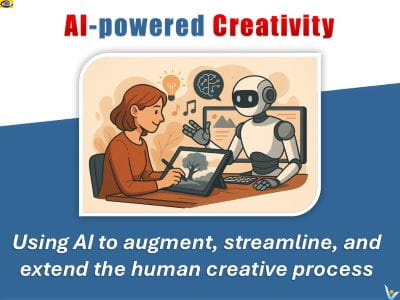
AI's changed how people
create digital images. Used to
mean camera gear, illustration
skill, hours in professional
design software. Now it starts
with a simple written
description instead. Modern
image-generation systems read
prompts, build visual
compositions, modify existing
images, produce multiple
variations, all in a short time.
|
|
|
|
 |
|
That
shift's made AI image generation genuinely
relevant to designers, marketers, educators,
content creators, developers, everyday users
alike. Understanding how the tech works, and
where it actually fits into a creative workflow
– matters just as much as knowing how to
generate an image in the first place. |
|
| |
|
What an AI Image Generator
Actually Is
A
system using machine-learning
models to create images based on
instructions from a user. Could
describe a subject, environment,
artistic style, lighting,
composition, color palette,
intended format.
Request an illustration of a
modern city at sunset, or a
product photograph with a plain
background. Model reads the
language, translates those
concepts into visual
information.
Modern systems work from
reference images too. Instead of
building everything from
scratch, provide an existing
image, ask the model to change
selected elements while keeping
the rest intact.
|
|
|
| |
|
How Text-to-Image Generation
Actually Works
Behind the interface, models
train on huge collections of
visual and text info. During
training, they learn
relationships – words, objects,
styles, colors, shapes, visual
compositions, all connected.
Enter a prompt, the system
processes the description,
generates an image statistically
matching those instructions.
Result isn't a picture pulled
from some database. Generative
models build new visual outputs
off patterns learned during
training.
Quality depends on several
things – the model itself, how
complicated the request is,
reference material, how clearly
the prompt communicates what's
actually wanted.
|
|
|
| |
|
Why Prompt Quality Genuinely
Matters
A
short prompt produces something
interesting. Detailed
instructions give a lot more
control, though. Instead of "a
futuristic building," specify
the architectural style, time of
day, camera perspective,
materials, atmosphere,
surrounding environment.
Doesn't mean longer prompts
automatically win, though.
Unnecessary instructions can
make a request genuinely
confusing. Effective prompting
is really about communicating
the most important visual
requirements clearly. Nothing
more.
Worth describing what should
stay unchanged when editing an
existing image, too. Especially
important for projects involving
people, products, logos, and
established visual identities.
|
|
|
| |
|
Editing's Playing a Bigger Role
Now
AI
image tech's increasingly moving
past simple text-to-image
generation. Editing has become a
real part of the workflow, since
creators constantly need to
modify an existing visual. Not
generate an entirely new one
every time.
Replace a background. Adjust
lighting. Change an object.
Remove an unwanted element.
Create an alternative
composition. All real, common
needs.
|
|
|
|
 |
|
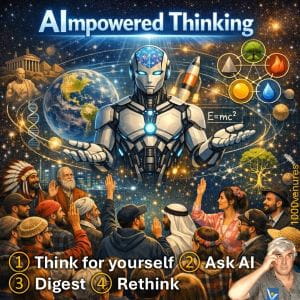
OpenAI's September 2026
announcement for ChatGPT Images
2.5 highlights more precise
editing, stronger preservation
of reference subjects, improved
consistency across multiple
edits. The company also
introduced Sketch – a rough
drawing used as a visual guide.
These developments show a real
shift. AI image tools are
becoming interactive creative
environments now. Not systems
that just spit out one image
from one prompt.
|
|
| |
|
Where AI Images Actually Get
Used
AI-generated visuals apply
across a lot of industries.
Content creators develop
illustrations for articles,
videos, presentations, and
social media. Educators build
visual examples for lessons.
Designers use generated images
during early concept
development.
Businesses use AI-generated
visuals for prototypes,
advertising concepts, product
mockups, internal presentations.
Developers experiment with
interface concepts or visual
assets before committing real
resources to final production.
Worth being clear, though –
generated images shouldn't
automatically get treated as
finished professional assets.
Depending on the purpose, it is
still worth checking typography,
proportions, factual details,
branding, anatomy, and image
quality.
|
|
|
| |
|
Comparing Different AI Image
Approaches
Not every image-generation
system is built for the exact
same workflow. Some tools
emphasize fast text-to-image
creation. Others focus more on
editing, reference images,
artistic control, and
integration with broader
creative workflows.
For anyone exploring different
approaches, an
AI image generator
genuinely helps in understanding
how prompt-based creation works
– especially experimenting with
subjects, styles, compositions,
visual concepts.
Newer models like
ChatGPT Images 2.5 show
off how image generations are
increasingly connected with
conversational editing, too.
OpenAI says the models are built
for sharper details, more
natural lighting and textures,
improved reference-image
fidelity, lower generation
latency compared with the
previous Images 2.0 model.
|
|
|
| |
|
Accuracy and Human Review Still
Genuinely Matter
AI-generated images look
convincing. Visual realism
doesn't guarantee accuracy,
though. A generated infographic
can carry incorrect information.
An architectural image can
include unrealistic structural
details. An image containing
text often needs careful
proofreading.
That's exactly why human review
still matters. Inspect important
visuals before publishing,
especially anywhere images
communicate factual information
or represent real people,
products, locations, events.
|
|
|
|
 |
|
Real
questions around copyright, consent, impersonation, appropriate use of reference
images too. Responsible use means considering not just whether an image can get
generated. Whether it should actually get used in a particular context. |
|
| |
|
Where AI-Assisted Visual
Creation Is Actually Headed
AI
image generation's gradually
becoming part of a bigger
creative process. Not replacing
every conventional design
technique. Serving as another
layer between an initial idea
and a finished visual instead.
|
|
|
| |
Recent
developments point toward greater emphasis on
controllability, editing consistency,
reference-image preservation, real interaction.
ChatGPT Images 2.5, for instance, introduced
sketch-based generation, templates, comments for
focused edits, and improved multi-turn editing. |
|
AI MAGic
AI on AI MAGic
Multiplicative AI
AI Video Editing |
|
|
 |
|
For
creators, the most useful approach is
probably treating AI as a creative
assistant. Not an automatic replacement
for judgment. Strong ideas, clear
instructions, careful editing, human
review - all of it still matters, even
as this tech gets faster, more capable.
As these
systems keep developing, creating images
from language is likely becoming a
standard part of digital content
production.
|
|
| |
A
bigger change here isn't just that computers can
make pictures now. It's that visual
experimentation is becoming genuinely accessible
to people who never considered themselves
traditional artists or designers before. |
|
AIllustrated KoRe Proverbs
AIllustrated KoRe
Questions |
|
|
|