|
6 Attributes of a Successful CEO
-
Acting with Integrity.
Those who operate with integrity consistently adhere to a code
of conduct and have an underlying value system that is
manifested through their behavior...
More
Selecting a New Corporate Leader: 3
Questions to Answer
Lessons from Peter Drucker
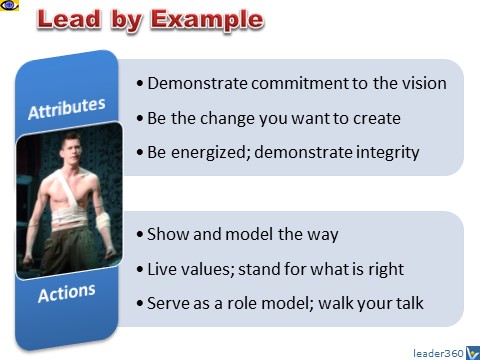
... Third: Look for integrity. A leader sets an example, especially a
strong
leader. He or she is someone on whom people – especially
younger people – in the organization model themselves...
More
Profile of the 21st
Century Leader
While
leadership
is always important to corporate performance, there is a growing realization
that effective leaders with
integrity are absolutely
crucial to successfully navigating the
New Economy of the 21st Century. In addition there is also a
growing realization that the characteristics of the
Leader of the 21st
century are dramatically different than the leader of the past, even the
recent past.
Command and
control is out, organizations are getting flatter, the competitive landscape
is chaotic, people are looking for meaningful work, customers are in
control, these and more demands are being placed on today’s leaders.
Transition to the New Economy are frequently compared to movement to the
Industrial Economy, the Information Economy, but the breadth of developments
and changes in the New Economy are so dramatic that there is little
precedent.
The real job of
leaders is to
inspire and create meaning and direction in the midst of
drastic change and even chaos. In such a world of change and ambiguity, a
new leadership style is needed. This involves the need to grasp the
paradoxes inherent in the New Economy and to master the competencies
required by the business environment now being created. This new leadership
relies on the leader acting as an authentic and inspirational force
developing effective relationships with people in the company, partners,
customers, competitors and any other stakeholders
We developed a
Profile of the 21st Century Leader. Through our experience and
research we defined the characteristics that will be needed to lead in an
increasingly changing business landscape. This not to say that there is a
definitive leadership model. Rather, we believe that leaders need to
continuously adapt and change their approach as needs dictate. Leaders will
need to apply these characteristics in an artful rather than a rigid
scientific manner.
Leadership Integrity Guidelines
Integrity is a delicate jewel. Building integrity in leaders and their
organizations takes time, continuous effort and cannot be feigned. You must
feel it in your gut, in your core beliefs that being honest and trustworthy
is the right business practice. If you feel that integrity is the route to
financial success you are doomed to failure.
Accountability
is the foundation for authentic business relationships. At least it forces
the process of identifying and resolving issues. Authentic people take full
and complete ownership for their lives, their choices, thoughts, feelings
and actions, without blame or faultfinding.
Authentic people
know their deepest values without hesitation and fulfill them in thought,
word and deed. Integrity is their nature. They do not depend on their
position for power. A leader with Integrity:
-
delivers their message clearly and don’t worry about
revealing themselves
-
must have a clear vision of
who they are and what they stand for
-
creates clear intention by knowing the right questions to ask
to create clarity and commitment
-
firmly believes that doing the right and ethical thing is the
overarching way to do business
 |