 |
|
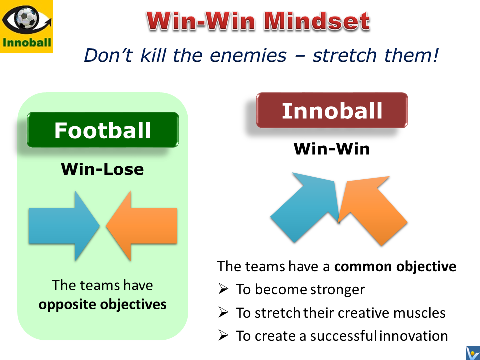
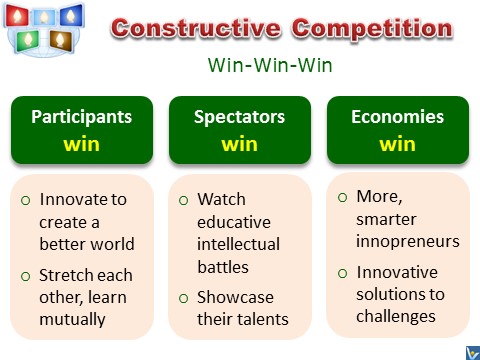
Win-Win is a
belief in better mutually
beneficial
outside-the-box
alternatives.
It’s not an either party way;
it’s a higher and better way.
Win-Win sees life as a cooperative, not a
competitive arena.
|
|
| |
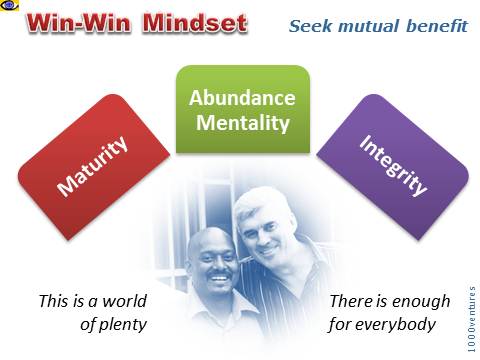
Think Win-Win
Win-Win is based on the paradigm
that there is plenty for
everybody, that one person's
success is not achieved at the
expense or exclusion of the
success of others...
More
|
|
 |
 |
|
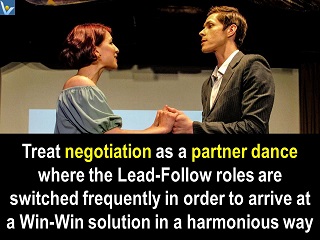
Win-Win Negotiations
Great negotiators build strong, durable,
win-win relationships because they have an obligation to help their
counterparts in
negotiations come out winners
and are flexible
in their approach to finding mutually beneficial solutions...
More
|
|
| |
|
Historical Example of
Win-Win-Win Conflict Resolution
After the 12-day war in 2025
between
Israel and Iran, each
side declared itself the winner.
The US also declared itself the
winner.
|
|
|
| |
Business Communication
Think
win-win. Believe that everyone can win
and constantly seek mutual benefit in
all business interactions. Avoid
offensive or battlefield metaphors that
reinforce a win-lose rather than a
win-win attitude. |
|
Harmony
Master
Holistic
Thinking
No-Lose
Method
6 Steps |
|
|
|
|
No-Blame Culture
A
no-blame culture is a win-win
all-round – for employees,
managers, customer and the
company as a whole. It liberates
the organization. It fosters
employee loyalty, effective
problem-solving and high
performance...
More
|
|
| |
|
How to use this information
|
|
|
| |
①
"Adapt what is useful, reject
what is useless, and add what is
specifically your own."
~
Bruce Lee
②
Sleep on this information – your
powerful
superconscious mind will
tell you how to use it when you
wake up
|
|
 |
|
|