Ваш обозреватель не поддерживает встроенные рамки или он не настроен на их отображение.
Search
Inspirational Guru
PowerPoints for Teachers/Trainers
Manager ++
Manager + Leader + Coach
Learn / Teach MANAGEMENT in a smart & fast way
Smart & Fast
Ready-to-use
100+ one-page educational modules for Teachers / Trainers / Speakers
by World-changer who invented
Business e-Coach − inspiration 360 unlimited!
INNOBALL entrepreneurial simulation game
Innompic Games − World's #1 games for innovators
Vadim Kotelnikovv
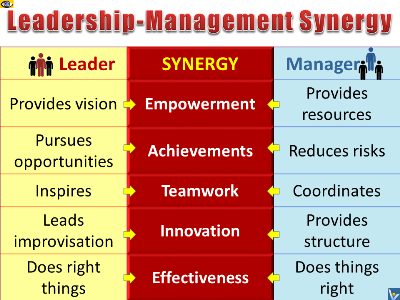
Leader-Manager Synergy
Leader knows where to go.
Manager knows how.
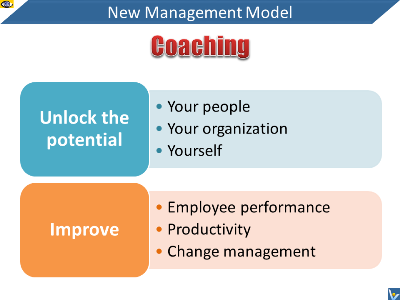
Manager-Coach Synergy
Manager knows what's to be done.
Coach helps employees to do their best.
If you stop learning, you stop creating history and become history.
Vadim Kotelnikov
Content: Tremendous and Unique Benefits
▪ Synergistic combination of breakthrough and classic concepts
▪ Short and insightful lessons
▪ Emfographics-powered slides
▪ Real-life examples
▪ Inspirational photograms
Easy to Tailor to Your Needs
Each slide comes with a half-page description. It is a complete lesson.
You can structure your presentation and assemble slides in any way you need.
PowerPoint slides with Executive Summaries
Smart
Fast
↑ Rich source of ideas for innovation
↑ Creative cutting-edge solutions
↑ Lessons from great achievers
↑ Eye-opening slides
↑ Insightful half-page summaries
↑ Small modules
Sample Slides
Contents
New Management Model
Balanced Manager
Managing Knowledge Workers
Employee Empowerment
Harnessing Diversity
Project Management
Two Approaches
Project Leader Skills
Self-Assessment
Managerial Leadership
Management-Leadership Synergy
Results-based Leadership
12 Leadership Roles
Entrepreneurial Leadership
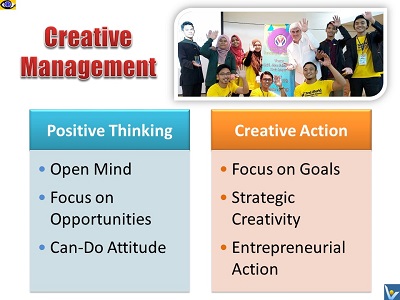
Creative Management
Inclusive Leadership
Super-Leadership
Change Management
Performance Management
Energizing Employees
Cross-Cultural Collaboration
Manager's Coaching Role
Coaching
Skill-Will Matrix
Motivational Coaching
GROW Model
Constructive Feedback
... and much more!
Manager++
100+ PowerPoint slides with Executive Summaries
Create your own outstanding course − fast!
Price
PowerPoint for teachers
US$ 59
PDF for learners
US$ 21
Invest once, benefit forever!
Prosper by helping others prosper