|
Being 'Inclusive' means, in practice1: |
|
Corporate Vision
-
measuring
performance in non-financial areas and
reporting to stakeholders and the
public at large
-
including consideration of the long-term health of the company when
budgeting and
planning
-
including the company's
business partners in dialogue and policy
making groups and including consideration of their interests when
making decisions
-
including the impact on the community as a factor to be weighed when
making decisions
-
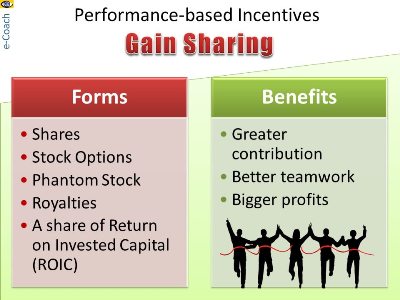
including people at all levels in the organization in sharing the
rewards of success
-
including people in all parts of the organization in opportunities to
lead
Smart Executive |
|
Five Stages of the Inclusive Approach |
-
Define your company's purpose and
values
-
Review key relationships and engage with stakeholders
-
Define success and the critical success factors
-
Measure and report
performance
-
Reward and reinforce
 |
|
Inclusive Approach
At the heart of the inclusive approach is the belief that
understanding stakeholder needs – the needs of customers,
employees, suppliers, shareholders and society, and the environment – and
incorporating them into
enterprise strategy
and sustainable value creation
activities
are central to the achievement of
sustainable growth and
competitiveness.1
Sustainable Competitive Advantage
Inclusive Leadership
As an
inclusive leader, you must adopt
– and live – a set of
values, which places human relationships centre stage and which defines the
purpose of your enterprise in other than purely financial or commercial
terms. "Such set of values will include respect for the individual, the
elevation of service above self-interest, restraint in the use of power, and
not, least, a concern for
sustainable development... This leadership will need to be found not
only in the organization's management but also among employees, customers,
investors, suppliers and the community."1...
More
Case in Point
Ford Motor
Company
The
Ford
2003-2004 Corporate Citizenship Report stresses that the company sees no
conflict between business goals and social and environmental needs.
According to Bill Ford, Chairman and CEO of the company, the distinction
between a good company and a great one is that a good company delivers
excellent products and services, while a great company delivers excellent
products and services and strives to improve the world.
3 Strategies of Market Leaders
Case in Point
Cargill
Cargill, Incorporated is an
international provider of food, agricultural and risk management
products and services.
At Cargill,
each employee’s unique talents, perspectives and life experience
is considered to be critical to the company's success. Cargill's
leaders developed a Statement on
Diversity that presents a
strategic rationale and business case for the Valuing
Differences Initiative. It points out the hallmarks of an
environment that values differences.
Cargill is also committed to supplier diversity. They
encourage employees to support small and minority-owned businesses, and
those owned by other disadvantaged groups, when seeking new sources of
supplies and services. While this business practice enables they company to
deliver distinctive value to their customers, their communities also benefit
from the success of diverse businesses.
 |